

Considerations When Shopping For an Electric Wall Fireplace
Electric wall fireplaces can add a touch of warmth and ambiance to any room. These models look like real fireplaces but don't require ventilation and are easy to put up.
A lot of models employ mirrors and LED lighting to create realistic flames and ember beds. They typically have a variety of colors and a remote to make it easier.
The choice of a fireplace
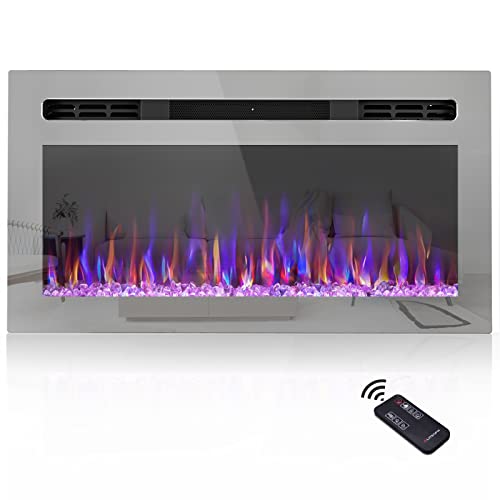
Electric fireplaces are a popular option for individuals looking to add some modern style to their living spaces. They can also provide supplemental or zone heating when needed. There are several things that homeowners need to consider when looking for an electrical fireplace to help them narrow the selection and choose the best one.
One of the most important aspects is the size of the room. Electric fireplaces come in different sizes, depending on the space available. For example, small areas might be better served by a flat wall-mount unit, while larger homes or apartment units could be more fitted to a mantel-style electrical fireplace.
The second important aspect is the type of flame effect you prefer. Many electric fireplaces come with a number of flame and color settings that can be altered to your preference. Some models utilize mirrors to create thrilling and unique flame motions. Other things to consider are whether the fireplace has a remote control and what the maximum wattage is. The more wattage the fireplace has, the more heat the fireplace can produce.
Some models need to be hard-wired into the electrical system in your home, while others are simply plugged into an outlet on the wall. If you decide to go with the alternative, ensure that there's an outlet that's convenient in the space where you're planning to install the fireplace. It is a good idea to make sure that the outlet isn't shared with other fixtures or appliances.
The BTU rating of an electric fireplace is vital in determining the amount of heat it produces. It is usually stated in the description of the product or on the label. BTUs measure the amount of heat produced by a device, and a high BTU rating indicates that the fireplace can effectively warm the room.
The way the fireplace is placed in the room is an additional important consideration. Depending on the model, it could be wall-mounted, affixed to an item of furniture such as TV or media console stand, or incorporated into a custom cabinet. The wall's thickness can play a role here too as walls that are thin may not be able accommodate a deep electric fireplace without having to be reworked or extended.
Find a Good Location
Electric wall fireplaces are a practical and cost-effective way of heating your home without the need to install chimneys. Electric fireplaces are popular because they do not emit harmful gases and can be set up in areas where a fire could be difficult because of safety or space constraints. But, a major problem with these fireplaces is that they can be easily knocked down through accident or by children and pets Therefore, it is essential to properly secure them to the wall.
This can be accomplished by following a few easy steps. The first step is to fix the fireplace to the wall using a bracket. This will prevent it from moving or shaking once it's in place. The next step is to ensure that the fireplace is properly secured to the wall, which can be achieved by using self-tapping screws, or heavy duty wall anchors. These can be found at most hardware stores and are fairly inexpensive to purchase. The fireplace should be fixed to the wall in a place that isn't prone to moisture and away from areas with high traffic such as drapes, furniture, or drapes.
It's also important to think about how you'll use the fireplace prior to installing it. If you intend to hang it above your couch, you'll need to make sure the unit is tall enough to fit both the fireplace and the couch. Be aware that the fire will generate heat. It is recommended to place the fireplace higher up in the room so the heat is distributed evenly.
If you enjoy reading or sitting in front of the fire placing the fireplace in a place at a place that is easily accessible is a good idea. The fireplace can also create a cozy atmosphere during intimate gatherings with friends.
Another advantage of having an electric fireplace is that it does not release any smoke or ash into the air, which can be an issue in homes with young children and pets. It's also a great option for those suffering from asthma or allergies, as it won't cause harmful odors to get trapped in carpets, rugs, or furnishings.
Drilling the Holes
Depending on the kind of fireplace you select and your comfort level with DIY projects, drilling holes for an electric wall heater may or not be possible. Installing a fireplace that plugs directly into an electrical outlet will be simple. However it is possible to install a built-in fireplace that requires cutting into wall and framing the wall you will require an electrician.
It is necessary to locate the studs prior to you can install a wall mounted fire. This can be done with a wall stud finder, or drilling a small hole in the wall. Once you've identified the studs' locations and marked them on the wall using the help of a pencil. It is also important to make sure that the wall is dry, and if it is not, you'll have to apply an insulation layer prior to proceeding.
The mounting of wall-mounted electric fires is made easier by the template that shows where to drill the holes. It is still required to use a spirit-level and a pencil when marking the brackets. Be patient when you complete this.
It is important to use a hammer drill with a masonry drill when drilling through brick blocks, concrete or stone walls. These types of drills are specifically designed to be used on these kinds of materials, and will give you a more precise result than the standard drill. Wear a dust mask while drilling into these walls since they can generate lots of dust.
Once the holes are dug, you'll be able to mount the brackets on the electric fire. It is important to ensure that the fire is located away from any materials that could ignite, such as bedding, curtains and clothing, as these items can become hot and ignite or burn. You will also need to make sure that the fireplace is plugged into a power source that is close enough to prevent it from overheating or burning out.
Mounting the Fireplace
The majority of electric fireplaces can be mounted onto a flat wall but it is important to ensure that the area is free of furniture and other things that might interfere with the heating of the room. It is also important to ensure that the drywall, as well other materials, are not in danger of burning. This could lead to major fires if the fireplace is running at high temperatures.
It is essential to speak with an expert installer if you are unsure whether your wall will be able to support an electrical fireplace. They can provide you with advice about the type of wall you should use and the best way to install it. They might also be able to advise you on the types of electric fireplace that are suitable for your particular style of home.
Once you have located the right location for your electric wall fireplace it is now time to begin installing it on the wall. The first step is to take the bracket from its back and mark the area where the fireplace needs to be positioned on the wall. It is beneficial to have a spirit level gauge to help you in this process as it will help you ensure that the wall is straight and flat before drilling any holes into it.
Then, drill the holes required to attach the electric fireplace to the wall. It is essential to take your time and make sure that the holes are drilled in the correct dimensions. It is important to be patient when using a power drill, as it is difficult to return the hole back to the size it was originally.
After the holes have been made and the fireplace is ready to be mounted the fireplace on the wall. wall.mounted electric fire is a relatively easy task however it is vital to ensure that the fireplace is securely fixed to the wall. It is crucial to make sure that the fireplace is at the right height on the wall.